
Common Planning Pitfalls for Heritage and How to Avoid Them
6/15/2026
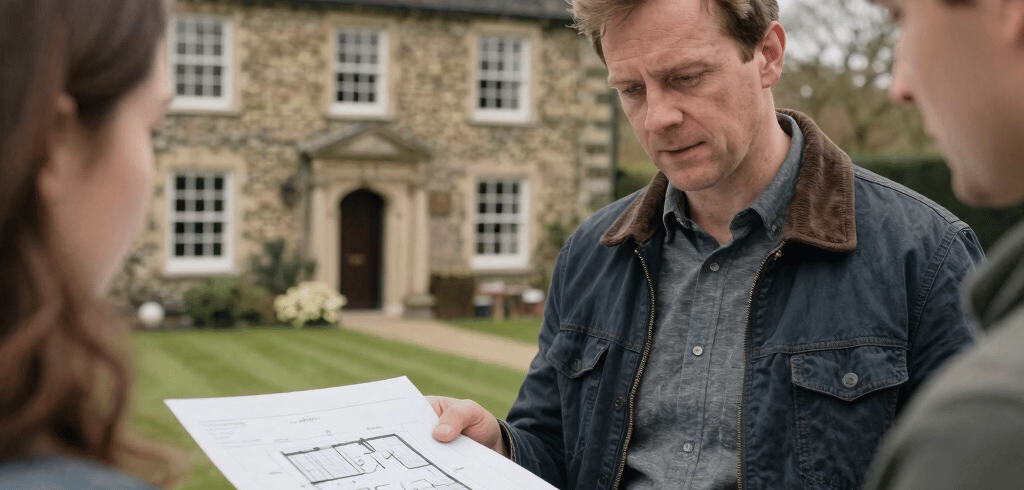
Planning applications affecting historic buildings, conservation areas, or archaeological sites can be more complex than standard developments. However, many of the common pitfalls associated with heritage planning applications can be avoided with the right preparation and professional advice.
One of the most frequent issues is the failure to provide adequate supporting documents. A missing or poorly prepared heritage statement or archaeological assessment is one of the leading causes of delays or refusals in the planning process.
Other common pitfalls include:
Limited understanding of the site’s significance - Without proper research, important architectural or historical features can be overlooked, leading to proposals that raise concerns with conservation officers.
Designs that conflict with historic character - Inappropriate materials, scale, or layout can negatively affect the setting of listed buildings or conservation areas.
Late engagement with heritage consultants - Bringing in expertise too late often results in redesigns, increased costs, and extended timelines.
The key to avoiding these issues is to take a proactive approach. Commissioning a heritage consultant early in the design process helps identify constraints and opportunities from the outset. This allows plans to evolve in a way that respects the historic environment while still meeting your project goals.
For architects and developers, this collaborative approach leads to more robust and policy-compliant designs. For homeowners, it provides clarity and reassurance when navigating what can otherwise feel like a complicated planning system.
By understanding the requirements of heritage planning policy from the beginning, you can avoid unnecessary setbacks and significantly improve your chances of securing approval.
Contact
Get in touch for heritage advice:
Phone
© 2025. All rights reserved.