
Heat Pumps in Historic Buildings
Blog post description.
5/19/20251 min read
Why Heat Pumps Matter for Historic Buildings
As the UK accelerates towards net-zero carbon goals, heat pumps have become one of the most discussed solutions for low-carbon heating. But for those involved in the care, design, or renovation of historic buildings, the question remains: can heat pumps really work in older, traditionally constructed properties?
The answer is increasingly yes—and with the right approach, heat pumps can dramatically reduce carbon emissions while protecting a building’s unique character.
Heating is responsible for a significant portion of carbon emissions in heritage properties. Many still rely on oil boilers, gas heating, or inefficient electric systems.
Heat pumps offer low-carbon heating performance, lower long-term running costs, and a future-proof alternative as fossil-fuel systems are phased out.
Challenges: Why Historic Buildings Need a Tailored Approach
Historic properties present constraints such listed building status, requiring consent before works are undertaken and historic fabric that must be protected. Physical challenges include solid walls, natural ventilation, sensitive facades to name a few.
Heat Pump Options for Historic Buildings
Air-source heat pumps, ground-source heat pumps, and hybrid systems each offer solutions depending on site layout, environmental sensitivity, and heating demand.
Design Considerations for Architects and Planners
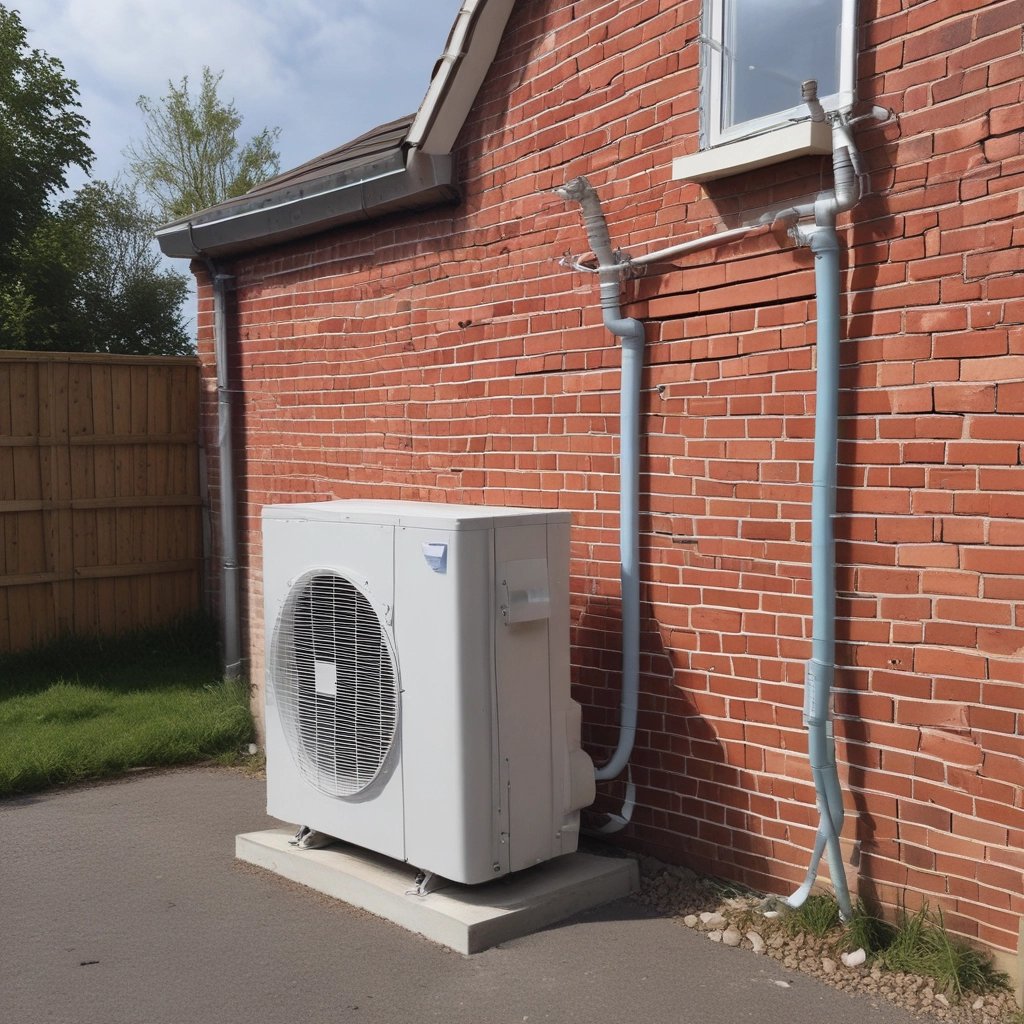
Early heritage assessment, fabric improvements, discreet placement of external units, and low-temperature distribution systems help ensure compliance and efficiency.
Guidance for Homeowners
Many heritage properties require planning permission or listed building consent. While installation costs can be higher, long-term savings and comfort improvements are significant.
Conclusion: Heritage and Sustainability Can Work Together
Historic buildings can successfully adopt heat pumps when thoughtfully designed. Sustainability and preservation can coexist through collaborative planning and sensitive retrofit strategies.
Contact
Get in touch for heritage advice:
Phone
© 2025. All rights reserved.